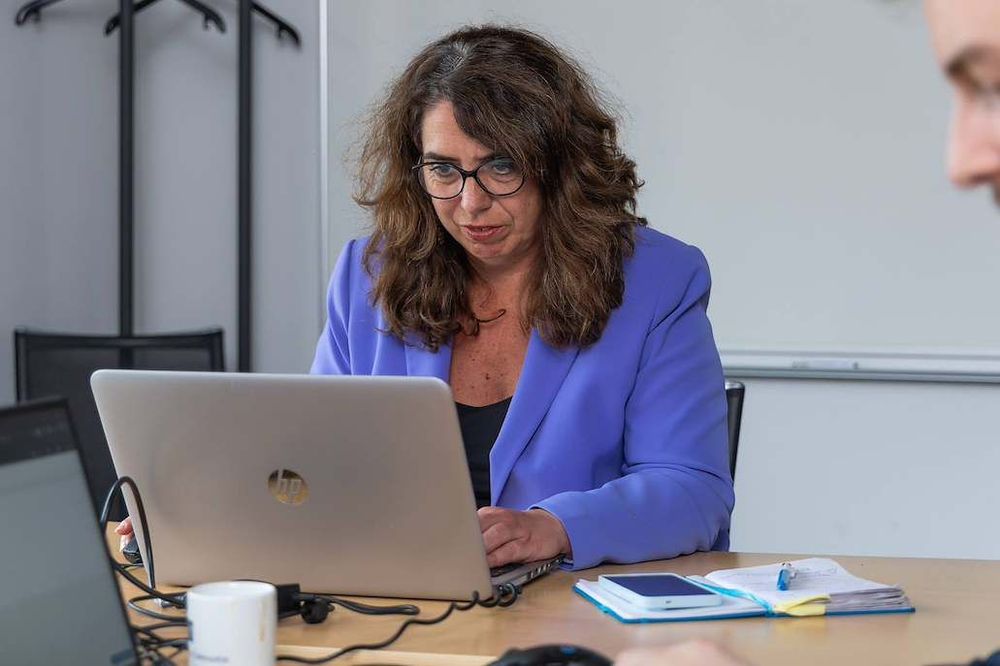
It is Monday morning and a logistics company’s inbox is full. One customer wants to know where their shipment is, another requests a customs document, and a third reports a change of address. The enquiries arrive in Dutch, French and German. Each employee handles them in their own way. One pastes text into an online translation tool; another finds an old email and adapts it. Whenever anyone is unsure, they turn to the one colleague who has a flair for languages. By now, she spends most of her day checking other people’s emails.
As a result, two customers asking the same question may receive answers that sound slightly different or even make different promises. Employees lose time searching and correcting, while the organisation has little insight into the quality and consistency of its multilingual communication. How do you help everyone work efficiently without compromising quality, consistency or control?
Start by understand where the differences arise
A lasting solution starts not with a new translation tool, but with an understanding of how multilingual communication works today.
That is why ELAN Languages works with the company to map the journey from enquiry to response. Which questions come up regularly? Where do employees look for information? What guidelines are already in place? And why does everyone choose a different approach or tool? We also investigate exactly where the differences arise. Is the problem in the original message, outdated sample emails, the translation process or a lack of clear guidelines? By analysing previous translation and correction work, we also identify recurring errors, unnecessary corrections and what already works well.
On that basis, we work together to identify where the greatest gains can be made and which approach fits the company’s objectives, risks and day-to-day operations.
After all, not every message needs the same solution. For a recurring question, an approved standard response may be enough. An unusual complaint may require more linguistic expertise and human review. And where employees translate frequently, technology can support the process. The challenge is not to automate as much as possible, but to find the right combination of people, guidelines, linguistic expertise and technology.
Three elements of a coherent solution
1. Multilingual content everyone can trust
For questions that come up regularly, we work with the team to develop approved standard responses in Dutch, French and German. We look not only at the translation, but also at the content, terminology, tone and expectations the response creates for the customer.
Language specialists ensure that the texts read naturally and correctly in every language and convey the same meaning. The person responsible within the company approves the content.
From then on, employees can start with reliable, reusable responses instead of an old email or their own translation. They only need to adapt the information specific to the customer or situation. This creates greater consistency while freeing up employees’ time for enquiries that genuinely require a tailored response.
2. Clear guidelines for management and responsibility
Good multilingual content remains reliable only if it is managed properly. What happens when a procedure changes, a new service is launched or wording no longer reflects how things work in practice?
That is why we help define who proposes changes, who approves the content and who is responsible for the multilingual versions. We also establish how employees provide feedback and how earlier versions and approved changes remain traceable.
IT helps devise a practical way to make the responses available in the working environment employees already use.
The aim is not to add another layer of administration, but to create a workable way to keep information up to date and ensure everyone uses the same approved content.
3. The right technology and quality control for every situation
Only once we understand what employees need do we consider which technology can genuinely improve the process.
We assess existing tools and potential alternatives against criteria such as translation quality, ease of use, speed, integration into workflows and the secure handling of customer data. We also take into account the nature of the communication and the consequences of any errors.
An approved standard response generally needs less review than an unusual complaint or a message with significant commercial or operational implications. That is why we tailor quality control to the level of risk.
Sometimes clear guidelines and reusable texts are enough. In other cases, AI translations can be a valuable addition. Where appropriate, ELAN Libren, our model-agnostic AI translation platform, can form part of the solution.
By doing so, ELAN Languages brings linguistic expertise and technology together in an approach that works today and can grow with the organisation.
The multilingual colleague’s role changes as a result. She no longer needs to check every message, but can focus on exceptions, complex language questions and maintaining quality. Her expertise is used where it adds the most value.
From a solution to lasting improvement
Introducing a new way of working is one step. Making sure it also works in day-to-day practice is just as important.
That is why we agree in advance what the company wants to improve and how we can track progress. This might include the time employees spend translating, searching and correcting, the number of recurring errors, the consistency of responses and how consistently employees follow the agreed approach.
After implementation, we evaluate the results together. Where necessary, we adjust the content, guidelines, technology or quality control.
This turns multilingual communication from a collection of isolated translation tasks into a manageable process that supports the organisation’s day-to-day operations and gives customers a consistent experience across languages.
ELAN Languages helps you not only translate better, but, more importantly, organise your multilingual communication thoughtfully, with the right expertise, guidelines and technology.
Does this sound familiar to your team?
Does everyone on your team translate in their own way? Or are there different tools, inconsistent wording and recurring corrections, with no one keeping track of it all?
ELAN Languages helps you find out where the differences arise and which approach best suits your organisation. Together, we turn those insights into a coherent solution in which people, processes, linguistic expertise and technology reinforce one another.
That way, you can build multilingual communication that is more efficient, remains consistent and is ready for whatever your organisation needs tomorrow. Contact Johan Noël: johannoel@elanlanguages.com or +32 11 43 47 64.